
When it comes to making rich, flavorful soups and stews, seasoning is everything. One often overlooked but incredibly effective ingredient is the bay leaf. This aromatic leaf has been used for centuries in various cuisines to add depth and complexity to slow-cooked dishes. In this article, we’ll discuss how to incorporate bay leaves into your soups and stews to boost their flavor profile and provide some useful tips on usage.
The bay leaf, typically from the Laurus nobilis plant, carries an herbal, slightly floral aroma that intensifies during cooking. It’s not meant to be eaten, as the leaf remains tough even after prolonged simmering, but it imparts a subtle earthy note that enhances other ingredients like meats, vegetables, and spices.
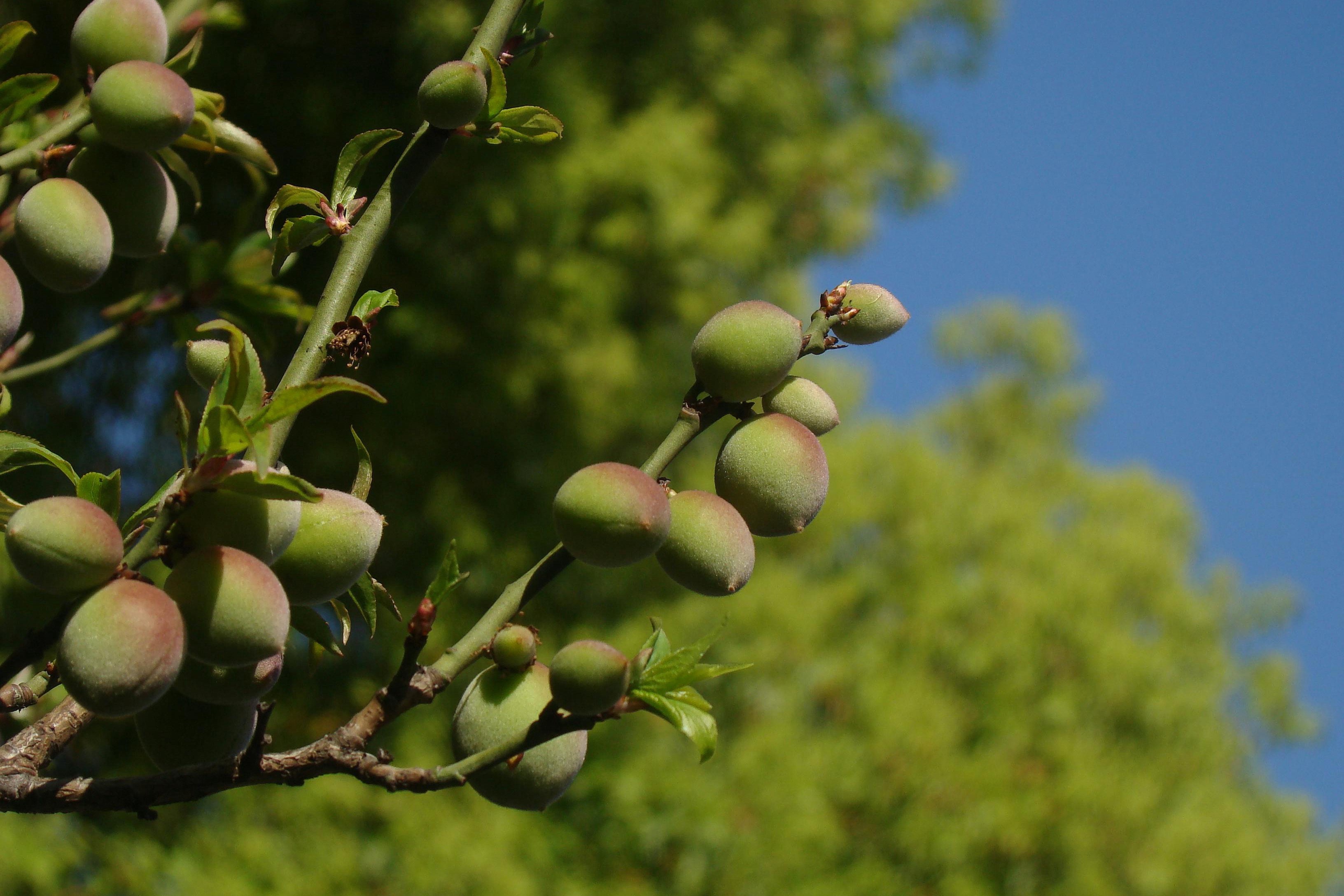
Adding whole bay leaves during the initial stage of cooking allows their essential oils to release into the broth. Usually, one or two leaves per pot are enough to impart the desired flavor without overwhelming the dish. For example, in a classic beef stew, placing a bay leaf with garlic cloves, onions, and thyme creates a harmonious base that complements the meat.
Here are a few tips on how to best use bay leaves in your cooking:
- Use fresh or dried leaves: Both fresh and dried bay leaves work well, but dried leaves are more common and offer a more concentrated aroma.
- Remove before serving: Always fish out bay leaves before serving as their texture can be unpleasant and tough.
- Combine with other herbs: Bay leaves mix wonderfully with thyme, rosemary, parsley, and oregano in soups and stews.
- Control quantity: Use bay leaves sparingly; too many can make the broth taste bitter.
Bay leaves also have potential health benefits, including anti-inflammatory properties and aiding digestion, making them a functional addition beyond just flavor enhancement. Whether you’re simmering a hearty vegetable soup, a spicy chicken stew, or a traditional seafood chowder, adding bay leaves can elevate the dish effortlessly.
Experiment with including bay leaves during roasting or braising as well. Their subtle aroma is versatile and able to bolster the flavor complexity of many dishes. Next time you plan to make a soup or stew, don’t forget this humble leaf; it’s a secret weapon for a more memorable meal.



I love adding bay leaves to my chicken soup. It’s such a simple way to boost flavor without extra salt.
I tried using fresh bay leaves after reading this article and the flavor was amazing. So fragrant and earthy!
Great tips! I never realized how important it is to remove the bay leaves before serving. I’ll definitely pay closer attention from now on.
Bay leaves have always been one of my favorite seasonings. Thanks for explaining the balance needed so they don’t get bitter!