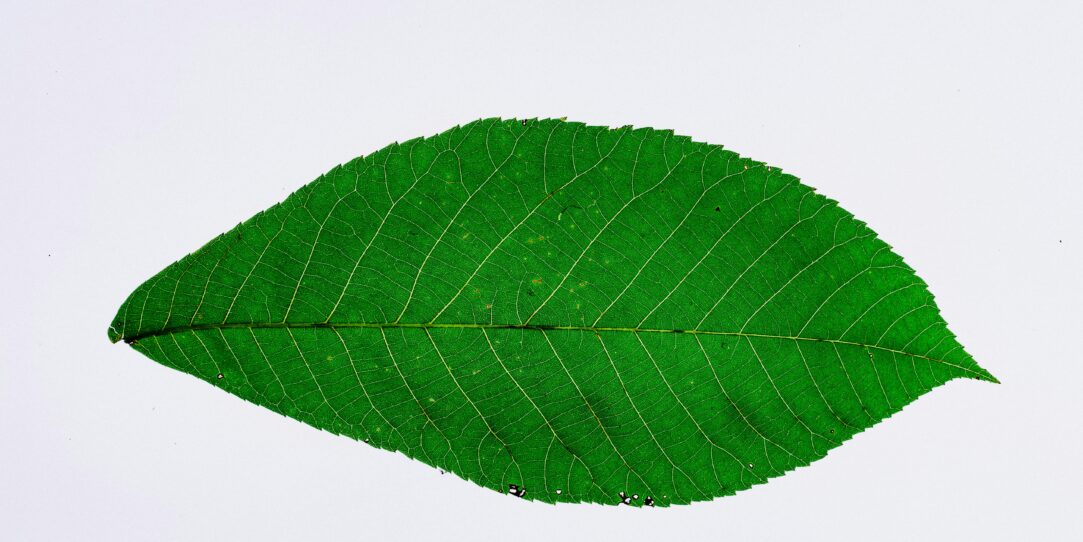
The bay leaf, known scientifically as Laurus nobilis, has been a staple in various traditional medicine systems for centuries. From ancient Greek and Roman cultures to Ayurvedic and Traditional Chinese Medicine (TCM), bay leaves have been valued not only for their culinary uses but also for their therapeutic properties. This article explores the fascinating history of bay leaf in traditional healing practices and how these ancient uses inform modern wellness.
Historically, the Greeks and Romans used bay leaves as symbols of victory and protection. In addition to celebrating champions, they recognized the potential health benefits of the leaves. Bay leaf oil was used to treat respiratory conditions, digestive issues, and pain relief. The leaf was also burned to cleanse the air and promote mental clarity, a practice rooted in the belief that its aromatic smoke could ward off evil spirits and disease.
In Ayurveda, the traditional medicine system of India, bay leaves have been cherished for their role in balancing the body’s doshas (energetic forces). Bay leaf was used to manage digestive disorders such as indigestion, bloating, and heartburn. Its warming properties were believed to enhance metabolism and soothe the stomach. Furthermore, Ayurvedic practitioners used bay leaf poultices externally to alleviate joint pain and inflammation.

Traditional Chinese Medicine also incorporated bay leaf, primarily for its warming and aromatic qualities. Bay leaves were utilized to stimulate the circulation of Qi (vital energy) and relieve stagnation, particularly in the digestive and respiratory systems. The leaves were part of herbal formulas aimed at reducing symptoms like cough and dampness in the body.
Across different cultures, the consistent application of bay leaf for respiratory ailments, digestive health, and pain relief highlights its importance in traditional pharmacopoeia. Modern scientific studies have supported some of these traditional uses, identifying compounds in bay leaves that exhibit antimicrobial, anti-inflammatory, and antioxidant effects. While more research is needed, the historical use of bay leaf provides valuable insight into its potential as a natural remedy.
In conclusion, the bay leaf holds a rich history in traditional medicine. Its multi-faceted uses—from air purification and mental clarity to digestive support and pain relief—demonstrate how ancient cultures harnessed the healing power of nature. As we continue to explore natural therapies today, the bay leaf remains a symbol of timeless wisdom and holistic health.



I’ve always used bay leaves in cooking, but it’s fascinating to learn about their medicinal uses throughout history!
I didn’t know bay leaves were used for respiratory conditions. I’ll definitely look into bay leaf tea for my cough.
Interesting how bay leaf was considered protective and used to cleanse the air in ancient times.
Thanks for sharing! It’s amazing how traditional practices are being validated by modern science.
Great article! As someone who follows Ayurveda, I can attest to the benefits of bay leaf for digestion.